
Kitchen Cabinet Door Styles Explained: Shaker, Slab, Raised Panel & More
Walk into any kitchen showroom and you’ll quickly realize that cabinet doors aren’t just functional — they’re the single biggest visual element in the room. The style you choose sets the tone for everything else: the hardware, the countertops, the lighting, the overall feel of the space.
But with so many options out there, it’s easy to get overwhelmed. This guide breaks down the most common kitchen cabinet door styles — what they look like, where they work best, and who they’re right for.
How Cabinet Doors Are Built
Before diving into styles, it helps to understand the two main construction types:
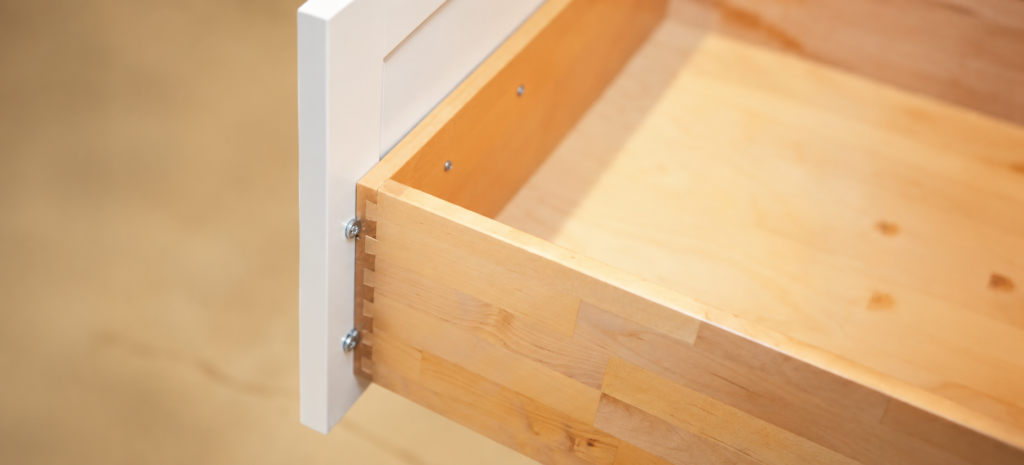
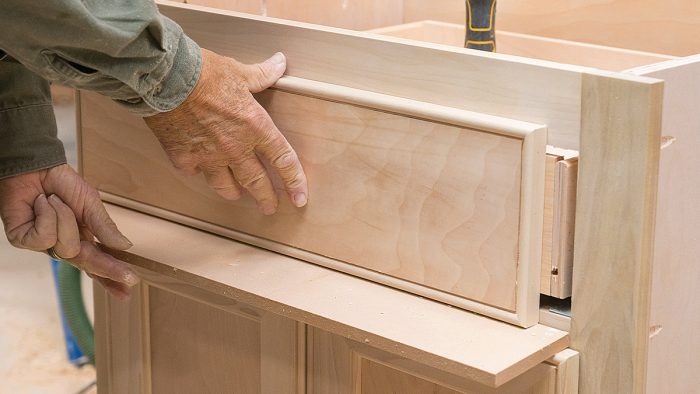
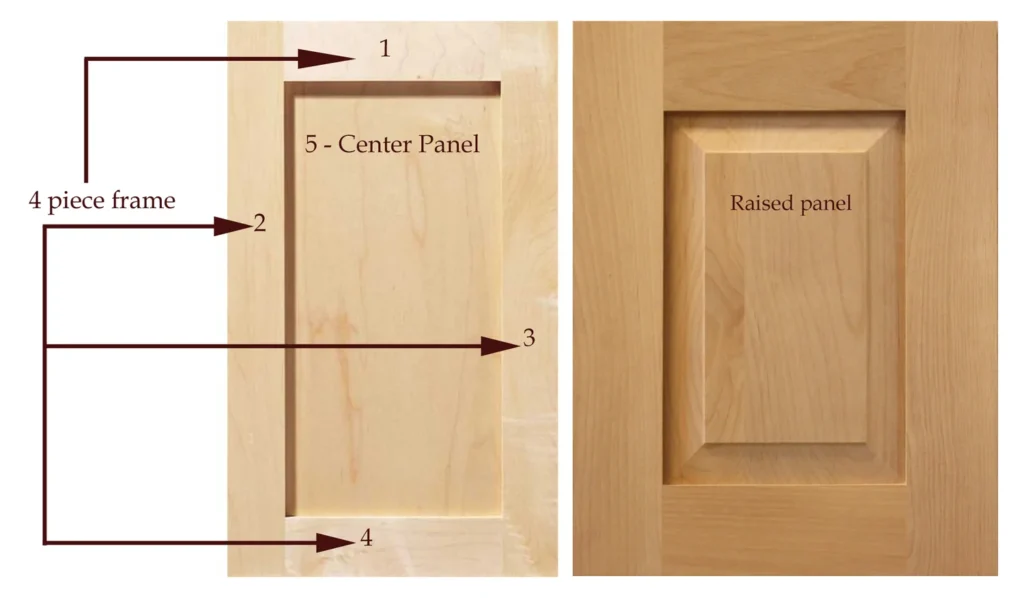
Five-piece doors have a frame (two vertical stiles and two horizontal rails) surrounding a center panel. The panel can be flat, recessed, or raised. Shaker and raised panel doors are both five-piece designs. The construction allows the center panel to expand and contract with humidity without cracking — a practical advantage in kitchens.
Slab doors (also called flat-panel or one-piece doors) are exactly what they sound like: a single unbroken surface with no frame or panel detail. These are the doors you’ll find in modern and minimalist kitchens.
Understanding this distinction helps you evaluate quality and price. Five-piece doors involve more components and labor; slab doors are simpler to produce but require a flawless finish since there’s nowhere to hide imperfections.
Shaker: The One That Works Everywhere
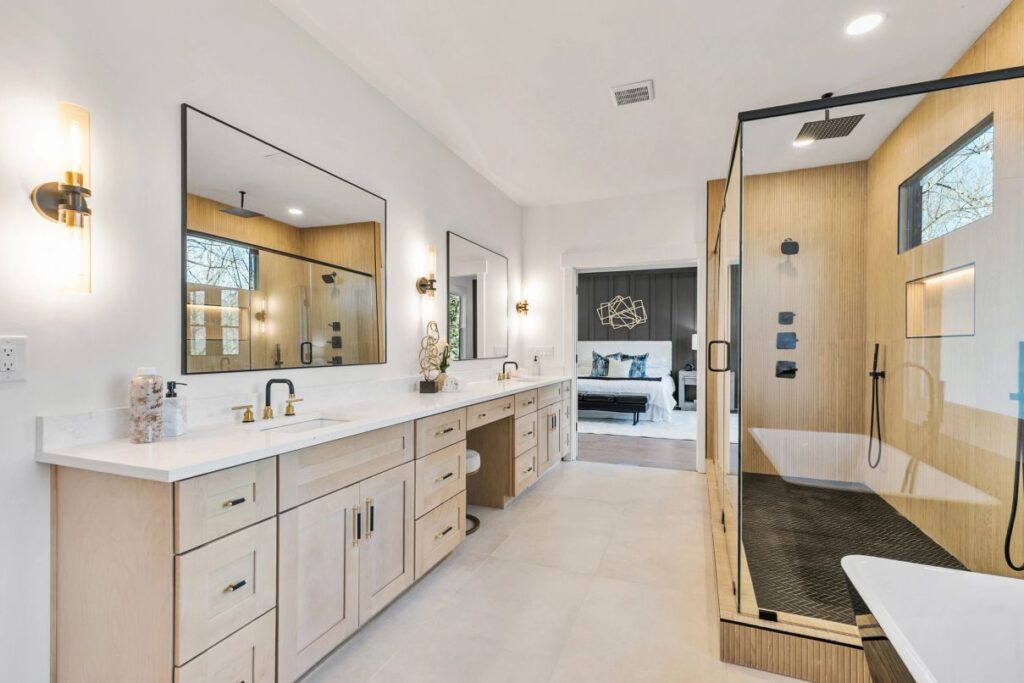
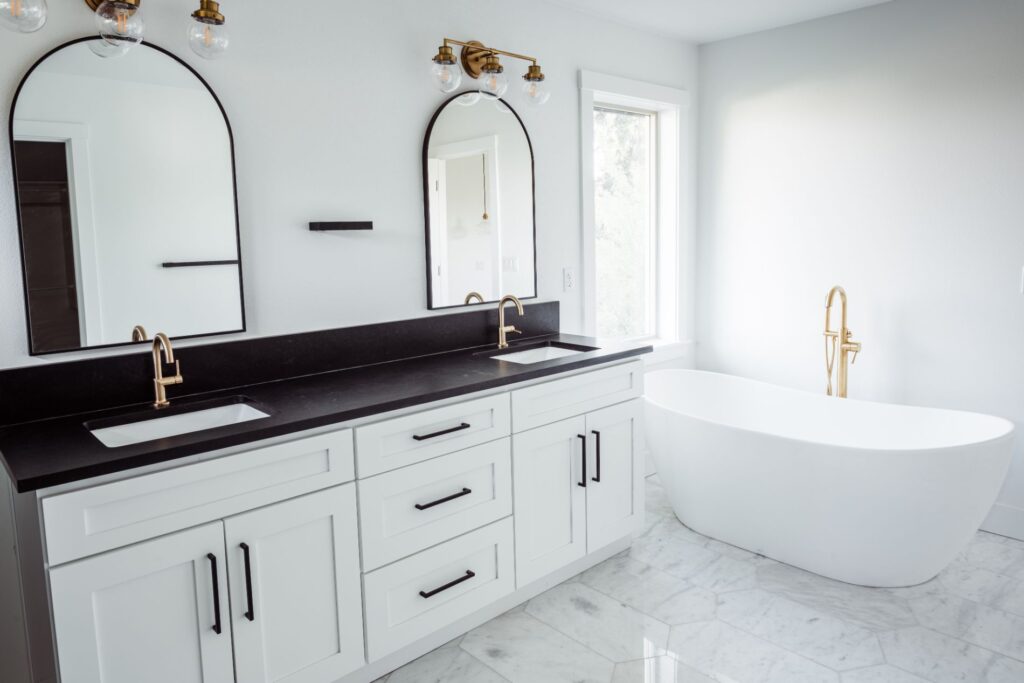
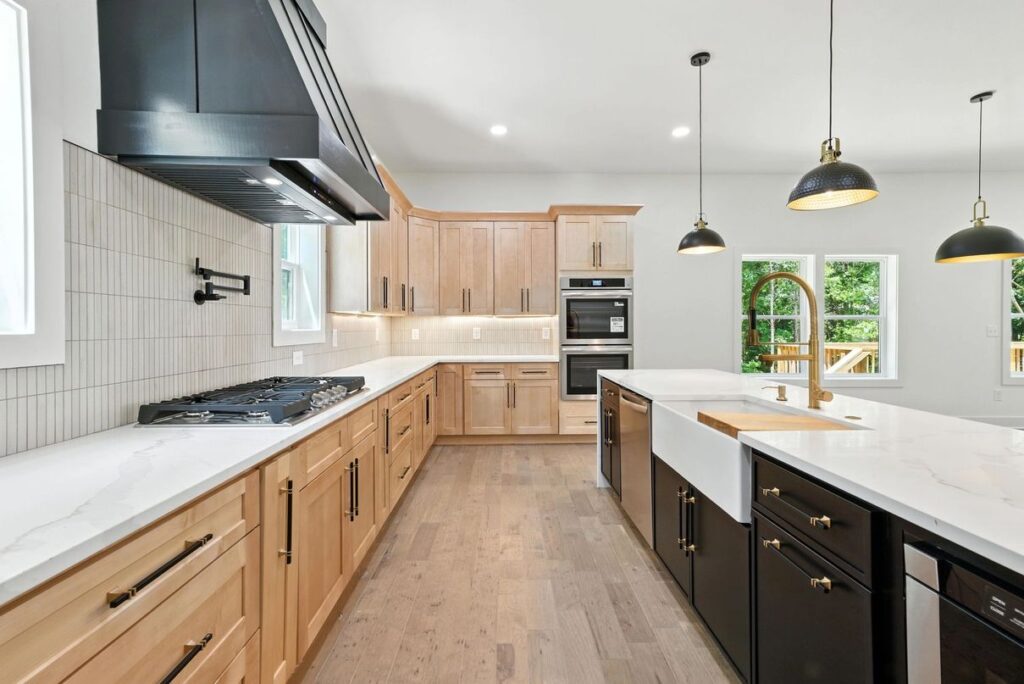
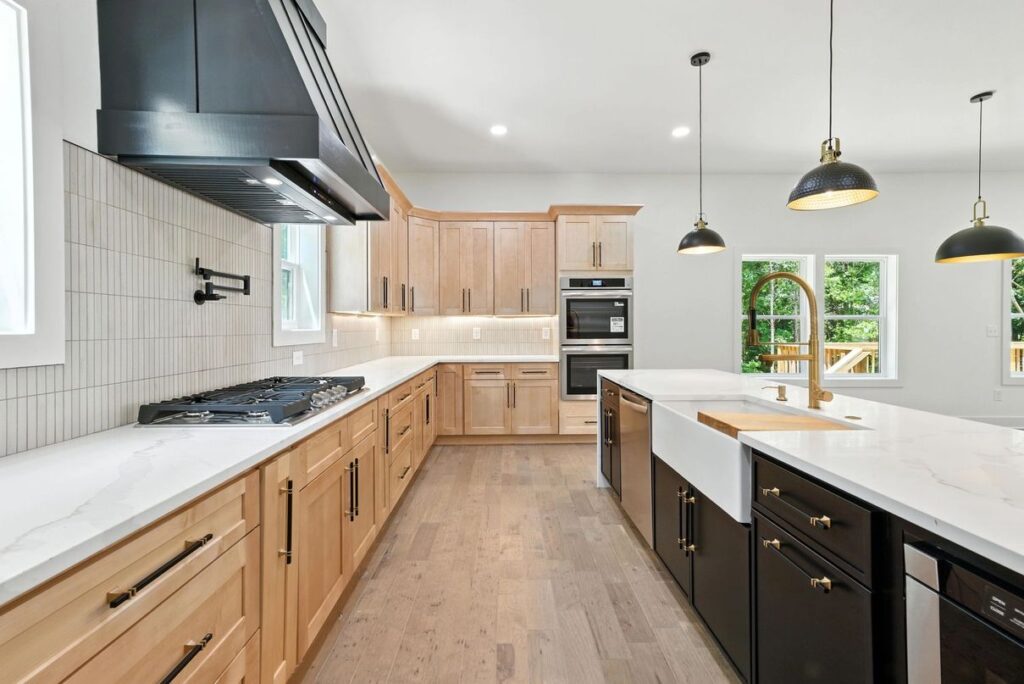
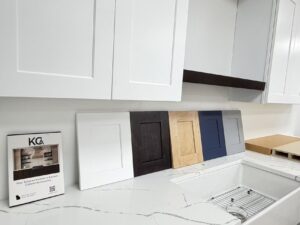
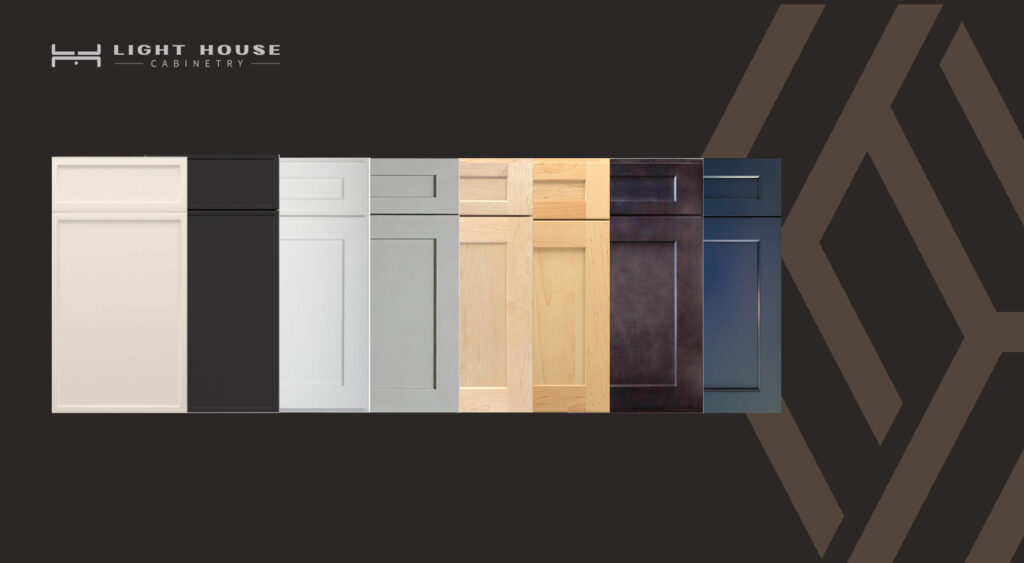
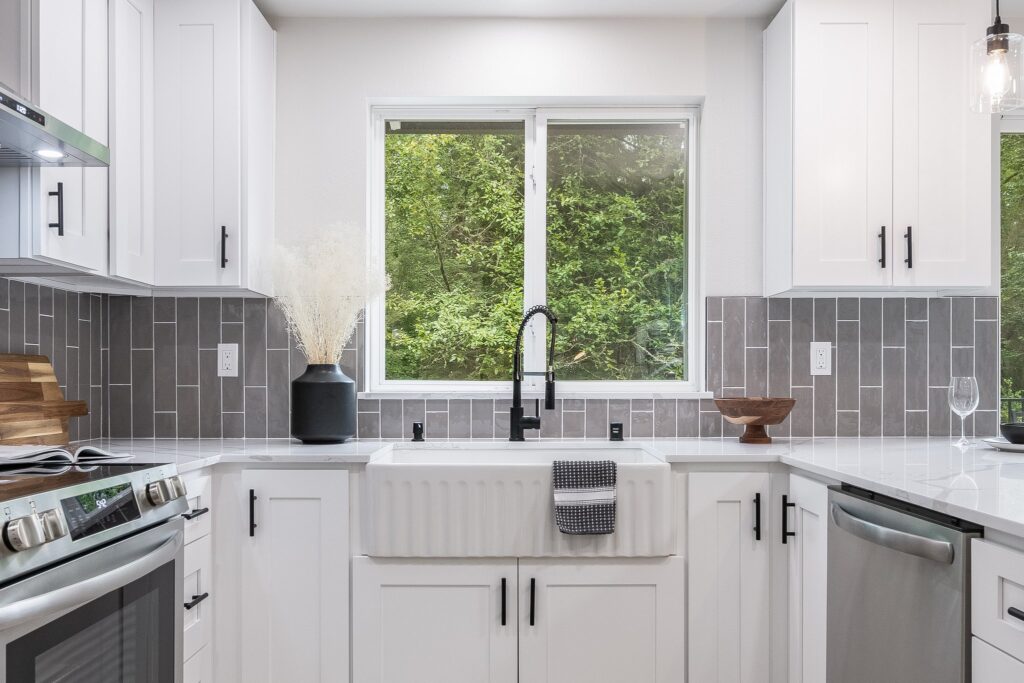
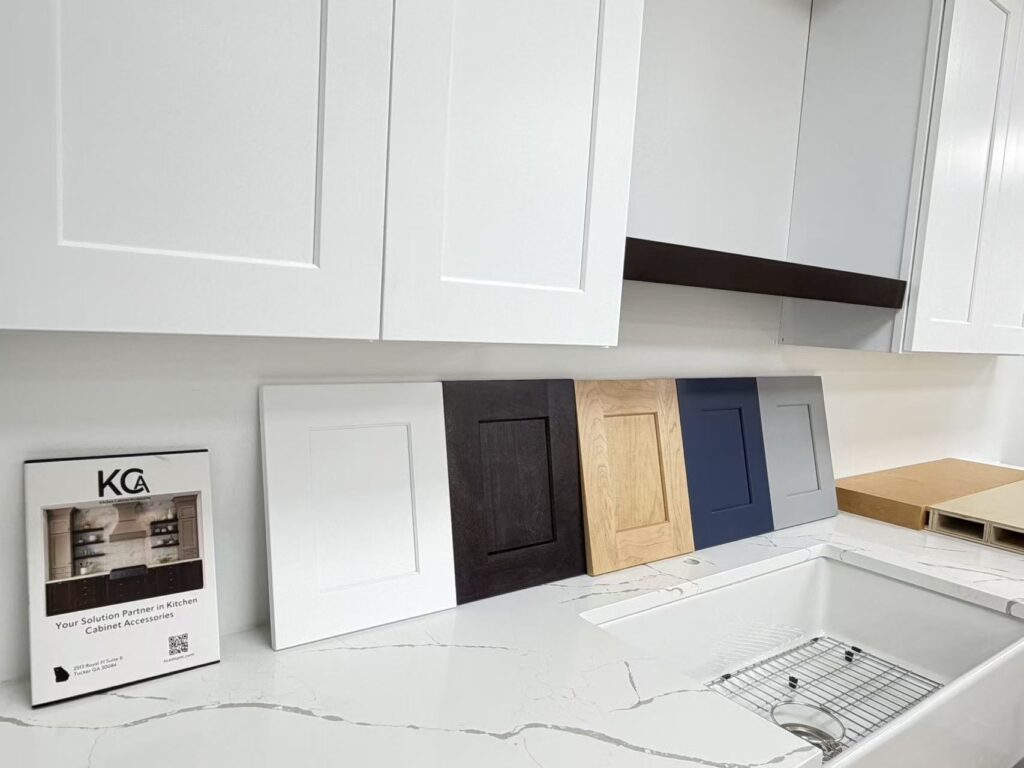
Shaker is the most popular cabinet door style in North America — and has been for decades. It’s defined by a flat center panel surrounded by a clean square frame, with no ornamental detail.
The reason shaker has lasted so long is its versatility. It works in traditional kitchens, transitional kitchens, farmhouse kitchens, and even contemporary ones. It’s simple enough not to compete with bold colors or hardware, and it has enough visual structure to feel intentional and crafted.
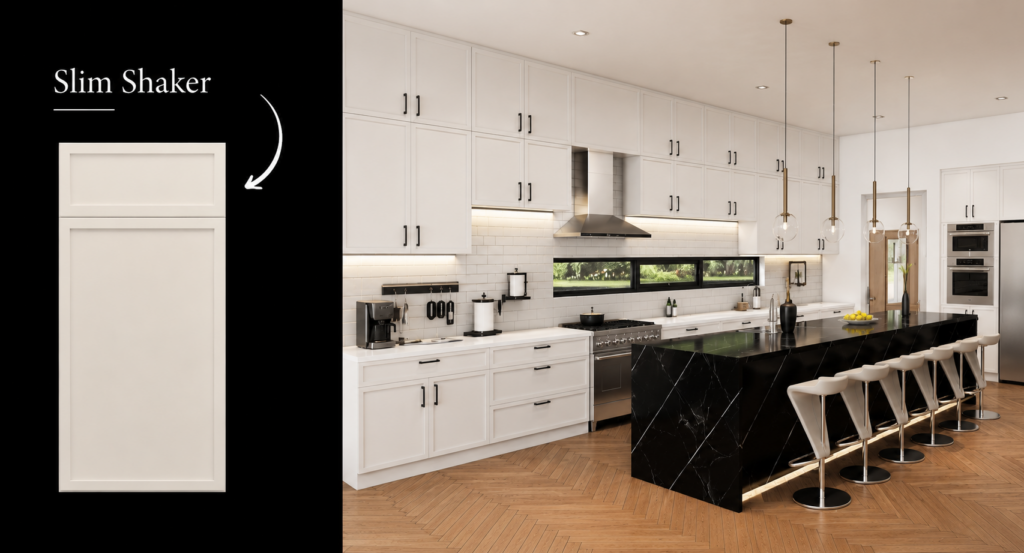
In 2026, designers are gravitating toward slimmer shaker profiles — narrower rails and stiles that make the door feel more tailored and less boxy. If you’re doing a kitchen that needs to appeal to a broad range of buyers or tastes, shaker is still the safest and most universally loved starting point.
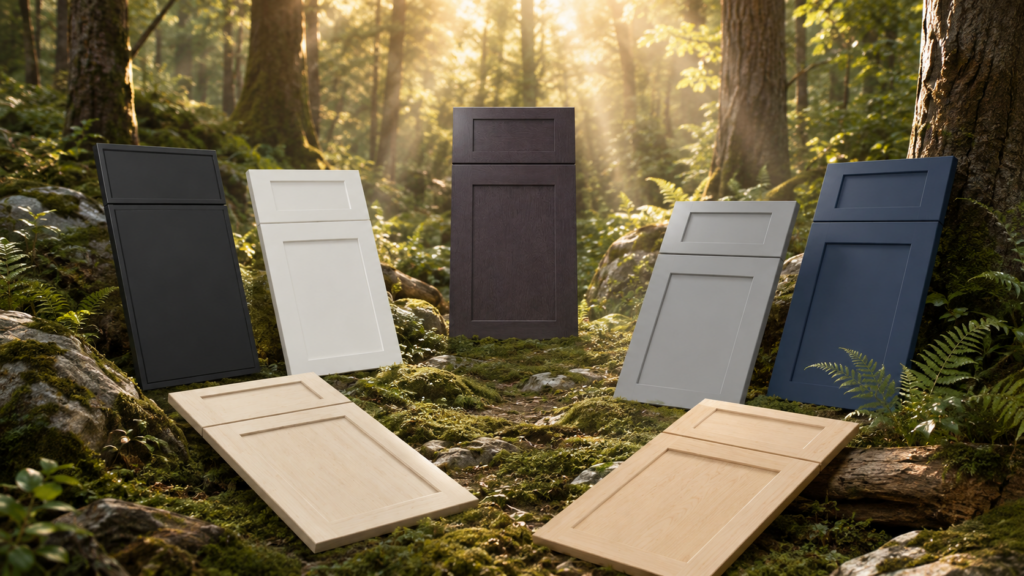
Cabinet pick: Our White Shaker, Grey Shaker, and Blue Shaker lines are built on this classic profile — clean, consistent, and available in-stock.
Slab: Clean, Modern, Uncompromising
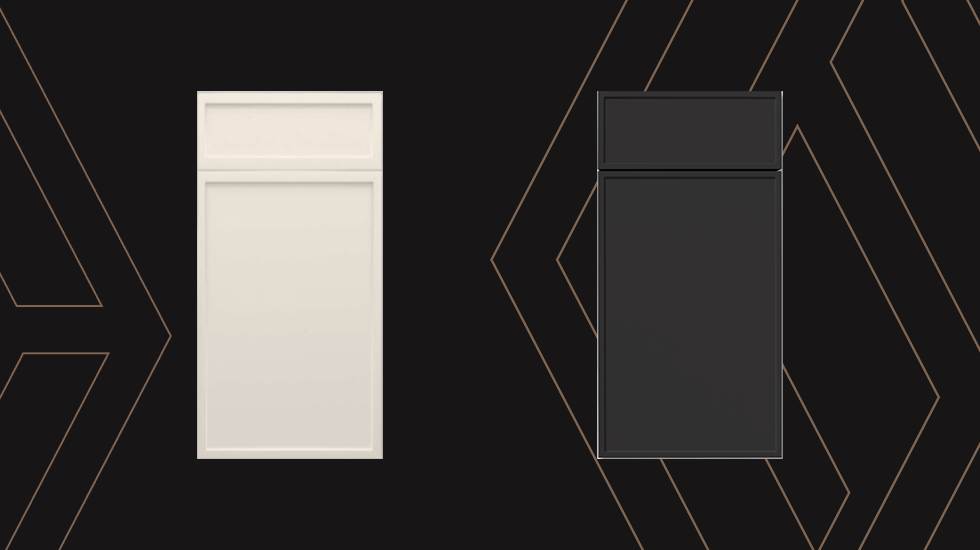
Slab doors strip everything back. No frame, no panel, no detail — just a flat, unbroken surface from edge to edge. In the right kitchen, they’re striking.
The beauty of a slab door is that the material becomes the design. A slab door in natural white oak lets the wood grain do all the work. A slab in matte black lacquer creates a sleek, gallery-like effect. The finish and material matter more here than with any other style.
Slab doors are best suited for modern, contemporary, and minimalist kitchens — spaces where clean geometry and uninterrupted surfaces are the goal. They’re also increasingly popular as a contrast element: slab on the island paired with shaker on the perimeter, for example, creates visual hierarchy without feeling chaotic.
One practical note: slab doors show fingerprints and surface imperfections more readily than five-piece doors. Matte finishes are more forgiving than high-gloss.
Cabinet pick: Our Slim Cream and Slim Java lines deliver exactly this — flat-front profiles in warm neutrals and deep espresso, built for the modern kitchen.
Raised Panel: Traditional Elegance
Raised panel doors are the classic choice for formal and traditional kitchens. The center panel is contoured or beveled so that it sits proud of the surrounding frame, creating a three-dimensional effect that adds depth and visual complexity.
This style has been a staple of American kitchen design since the early 20th century, particularly in colonial, craftsman, and formal traditional homes. When paired with crown molding, ornate hardware, and warm wood tones, raised panel cabinets create a sense of craft and permanence.
In 2026, heavily ornate raised panel doors feel dated to many designers — but simplified versions with cleaner profiles and updated finishes remain a strong choice for traditional kitchens that want warmth and character without going full formal.
If your client has a traditional home and loves a kitchen that feels grounded and classic, a clean raised panel is still a solid recommendation. It’s not for everyone, but for the right project, nothing else fills the same role.
Inset: The Premium Option
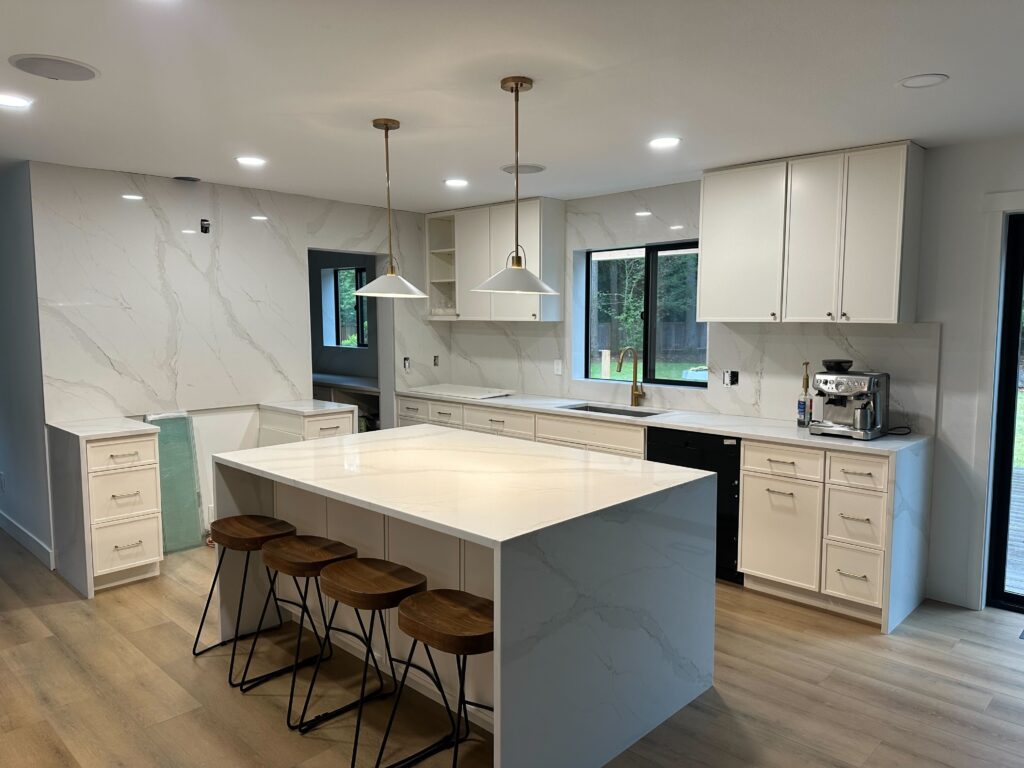
Inset cabinets sit flush within the face frame rather than overlaying it. When the door closes, it sits perfectly level with the surrounding frame — no reveal, no overhang. The result is a furniture-like, tailored appearance that reads as high-end craftsmanship.
This style requires tighter tolerances during both manufacturing and installation, which is why it’s typically more expensive. Wood movement and humidity can cause inset doors to stick or bind if not properly fitted. But when done right, inset cabinets are among the most refined options available — the kind of detail that design-forward clients and luxury remodels demand.
If budget allows and the project calls for a true custom feel, inset is worth the conversation.
Glass-Front Doors: Airiness and Display
Glass-front cabinet doors replace the solid panel with glass — clear, frosted, reeded, or patterned. They break up a wall of solid cabinetry, create a feeling of depth and openness, and offer a place to display dishware or glassware intentionally.
In 2026, reeded and fluted glass is having a moment — it provides visual interest and soft light diffusion while maintaining more privacy than clear glass. Metal mullion frames in brushed brass or matte black add a refined, architectural quality.
Glass fronts work best when used selectively rather than across an entire run of uppers. Two or three glass-front doors among solid cabinets reads as intentional. An entire kitchen of glass fronts can feel like a lot to maintain.
How to Choose
The right door style comes down to three things: your kitchen’s overall design direction, your maintenance expectations, and your budget.
Design direction is the starting point. Modern and minimalist? Slab. Transitional and broadly appealing? Shaker. Traditional and formal? Raised panel. Coastal or casual? Beadboard. High-end custom? Inset.
Maintenance matters more than most people think upfront. Slab doors show fingerprints readily. Raised panel doors have ridges and grooves where dust accumulates. Shaker doors are relatively easy to clean, which is one reason contractors love them for rental properties and high-use kitchens.
Budget follows construction complexity. Slab is typically the least expensive to produce. Shaker sits in the mid-range. Raised panel and inset add cost due to additional labor and tighter tolerances.
When in doubt, shaker is almost always the right answer — it photographs well, it appeals to the widest range of buyers, and it never really goes out of style.
Lighthouse Cabinetry carries wholesale RTA cabinet lines in Shaker, Slab, and natural wood finishes — all built from our Vietnam factory and available in-stock at our Peachtree Corners, GA warehouse. Browse our full lineup → or contact us to discuss pricing for your next project.